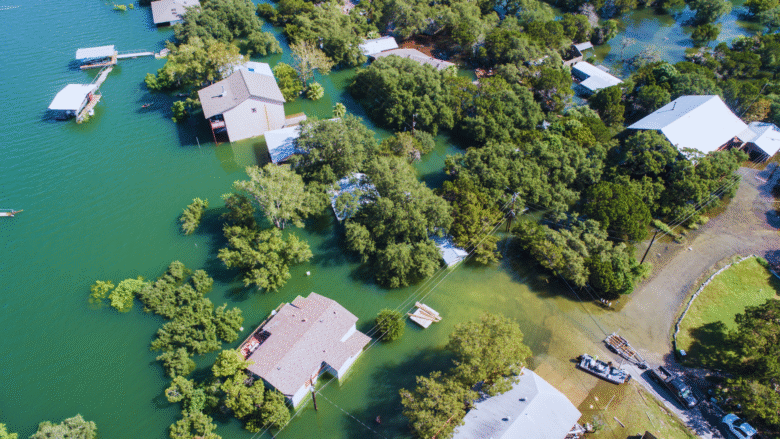
Climate change is one of the most pressing issues of our time, affecting ecosystems, weather patterns, and human societies worldwide. Scientific findings consistently show that human activities, particularly the burning of fossil fuels, are driving global warming and altering the climate system. As temperatures rise, the evidence of climate change becomes increasingly undeniable, with impacts that can be seen in rising sea levels, extreme weather events, and shifts in wildlife populations.
The scientific community has reached a consensus on the reality of climate change, supported by extensive research and data collection. Increased greenhouse gas emissions, primarily carbon dioxide and methane, are identified as key contributors to this phenomenon. Understanding the specifics of these findings is crucial for grasping the magnitude and urgency of the challenge at hand.
In facing climate change, it is essential to look at both current impacts and future projections. Awareness of the scientific basis behind climate change not only informs individual choices but also guides global policy. By engaging with these facts, society can work towards more sustainable practices that mitigate further damage and adapt to changing conditions.
The Science of Climate Change
Climate change is fundamentally driven by the interplay of greenhouse gases, the climate system, and human activities. Understanding these elements reveals how they contribute to global warming and climate change.
Greenhouse Gases and the Greenhouse Effect
Greenhouse gases (GHGs) trap heat in the Earth’s atmosphere, creating the greenhouse effect. Key GHGs include carbon dioxide (CO2), methane (CH4), and nitrous oxide (N2O).
- Carbon Dioxide (CO2): It is the most significant GHG emitted by human activities, particularly from burning fossil fuels. CO2 levels have increased by over 40% since the pre-industrial era.
- Methane (CH4): This gas is over 25 times more effective than CO2 at trapping heat over 100 years. It is primarily released during the extraction and transport of fossil fuels and through agricultural practices.
- Nitrous Oxide (N2O): Emitted from industrial activities and agricultural fertilizers, this gas has a substantial heat-trapping ability.
The accumulation of these gases leads to an enhanced greenhouse effect, causing global temperatures to rise.
Climate System and Global Temperature
The Earth’s climate system comprises the atmosphere, hydrosphere, cryosphere, and biosphere. Together, these components interact to regulate global temperatures.
- Temperature Trends: Since the late 19th century, the global mean temperature has risen by approximately 1.2°C. This increase correlates with industrialization and heightened GHG emissions.
- Feedback Loops: Warming temperatures can cause ice melt, reducing the Earth’s reflectivity and further accelerating warming. This creates a cycle that intensifies climate change impacts.
Understanding the intricacies of the climate system helps clarify how shifts in temperature affect weather patterns, sea levels, and ecosystems.
Human Activities and Emissions
Human activities significantly impact climate change, primarily through the release of GHGs. The major sources include:
- Fossil Fuel Combustion: Burning coal, oil, and natural gas for energy results in vast carbon emissions. This accounts for about 75% of global CO2 emissions.
- Agriculture: Agricultural practices release methane and nitrous oxide, notably through livestock digestion and fertilizer application.
- Deforestation: Trees absorb CO2, so deforestation reduces this absorption capacity, further contributing to rising CO2 levels.
Addressing these emissions is crucial for mitigating climate change and transitioning to a sustainable future.
Impacts of Climate Change
Climate change significantly alters various environmental and geological factors. These changes have profound implications for ecosystems, human settlements, and climate systems worldwide.
Rising Sea Levels and Coastal Flooding
Rising sea levels are one of the most tangible impacts of climate change. This phenomenon primarily results from two factors: thermal expansion of seawater and melting ice sheets, particularly in Greenland and Antarctica.
As sea levels rise, low-lying coastal areas face increased flooding risks. Cities like Miami and New Orleans are already experiencing recurrent coastal flooding. Coastal populations must adapt through infrastructure improvements and management strategies to mitigate the ongoing impact of this flooding.
Furthermore, the encroachment of saltwater can negatively affect freshwater supplies and agricultural land. Coastal ecosystems, including mangroves and wetlands, are also threatened, altering the habitat for numerous species.
Ocean Circulation and Ice Sheets
Changes in ocean circulation patterns are another significant impact of climate change. The thermohaline circulation, which regulates global climate, is affected by melting ice and increased freshwater influx from polar regions.
As Arctic sea ice diminishes, the implications extend globally. For example, reduced ice coverage leads to warmer ocean temperatures, affecting marine life and disrupting coral reefs. These ecosystems are sensitive to temperature changes, jeopardizing biodiversity.
Additionally, the melting of ice sheets contributes to rising sea levels. The loss of ice also impacts global weather systems, creating potential shifts in climatic patterns and affecting marine and terrestrial populations.
Weather Patterns and Extreme Events
Climate change is linked to the intensification of extreme weather events. Heat waves and increased heavy precipitation events are becoming more frequent. Cities across the globe are experiencing shifts in rainfall patterns, leading to droughts in some regions and flooding in others.
Tropical storms and hurricanes are also gaining strength due to warmer ocean temperatures. Higher temperatures can fuel these systems, leading to more intense storms. Moreover, changing weather patterns disrupt agriculture, as farmers face challenges in predicting optimal planting times. The interconnectedness of these weather changes poses risks to food security and economic stability.
Climate Change Mitigation and Adaptation
Mitigation and adaptation strategies are crucial for addressing climate change effectively. These approaches involve reducing greenhouse gas emissions and implementing policies that help societies adapt to the changes already occurring.
Reducing Greenhouse Gas Emissions
To combat climate change, it is essential to reduce greenhouse gas emissions significantly. The primary gases of concern include carbon dioxide (CO₂), methane (CH₄), and nitrous oxide (N₂O). Key strategies for reducing emissions include:
- Transitioning to renewable energy sources: Wind, solar, and hydropower can replace fossil fuels.
- Improving energy efficiency: Utilizing energy-efficient appliances and practices can lower emissions in homes and businesses.
- Enhancing carbon capture technologies: These technologies aim to capture and store CO₂ emissions from industrial processes.
The Intergovernmental Panel on Climate Change (IPCC) emphasizes that limiting global temperature increase to below 2°C requires substantial reductions in emissions.
International Agreements and Policies
Global cooperation is vital for effective climate change mitigation. The Paris Agreement, adopted in 2015, aims to keep the temperature increase well below 2°C, with ambitions to limit it to 1.5°C. Countries participating in the agreement have committed to setting nationally determined contributions (NDCs) to reduce emissions. This includes:
- Setting emission reduction targets: Each country outlines its goals and measures for mitigation.
- Providing financial assistance: Wealthier nations are expected to support developing countries in their efforts to adapt and mitigate climate change.
Policies from organizations like the EPA (Environmental Protection Agency) support domestic efforts in pollution reduction and promote clean energy initiatives.
Climate Models and Predictions
Climate models serve as essential tools for predicting future climate conditions based on various emission scenarios. They utilize complex algorithms to simulate interactions within the climate system. Key factors modeled include:
- Temperature changes: Projections include potential increases in global temperatures based on current emission trends.
- Sea-level rise: Models estimate how rising temperatures contribute to melting ice caps.
- Extreme weather patterns: Predictions can indicate changes in the frequency and intensity of storms, droughts, and heat waves.
These models guide policymakers in planning adaptive strategies and assessing the potential impacts of climate change on different sectors, including agriculture and water resources.