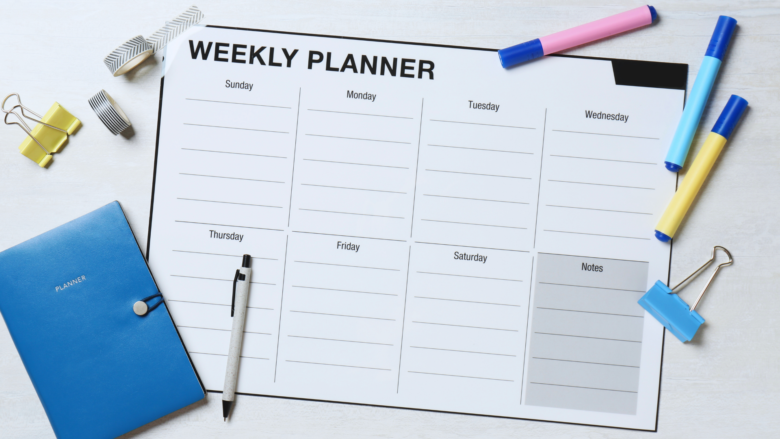
Creating an effective study schedule is essential for managing your time and improving focus. The key to a successful study schedule is balancing consistent study sessions with breaks and realistic goals tailored to your needs.
Understanding how much time you need for each subject and setting priorities helps prevent last-minute cramming. A well-planned schedule reduces stress and boosts productivity, making your study efforts more efficient and manageable.
Understanding the Importance of a Study Schedule
Creating a structured approach to study can significantly improve how time is used and how academic tasks are handled. This section explains how managing time effectively benefits learning, influences grades, and helps lower stress levels.
Benefits of Effective Time Management
Effective time management means allocating specific periods for study, which prevents last-minute cramming. It helps maintain a steady learning pace and maximizes productivity. By planning study sessions, distractions can be minimized, and each subject receives appropriate focus.
Using tools like calendars or digital planners makes it easier to track deadlines and prioritize tasks. Time blocks dedicated to studying also create habits, which improve discipline over time. This consistency leads to enhanced retention and understanding of material.
Impact on Academic Performance
A well-organized study schedule directly affects grades by ensuring comprehensive coverage of all topics. Regular revision scheduled in advance aids long-term memory, which is crucial for applying knowledge on exams. It allows for balanced preparation across subjects, avoiding weak areas.
Schedules also make room for breaks, reducing fatigue and maintaining concentration. This planned approach results in improved test performance and deeper comprehension. Students who follow study plans often complete assignments on time and with higher quality.
Reducing Stress and Overwhelm
Stress often arises from poor planning and last-minute work. A study schedule breaks down tasks into manageable parts, preventing overload. Knowing what to study and when decreases anxiety by providing a clear path forward.
Tracking progress through a schedule increases confidence, as goals feel achievable. It also provides space for relaxation and other responsibilities, supporting overall well-being. This structured method helps maintain balance, reducing feelings of being overwhelmed.
Assessing Your Study Goals
Start by clearly defining what you want to achieve with your study sessions. Break down your goals in detail and understand the demands of each subject to form a practical plan.
Identifying Short-Term and Long-Term Objectives
Short-term objectives focus on immediate tasks, such as preparing for an upcoming quiz or completing a specific assignment. They should be specific, measurable, and achievable within days or weeks.
Long-term objectives include broader targets, like mastering an entire course or achieving a final grade. These require sustained effort and consistent review over weeks or months.
Write these objectives down and set deadlines for both. This creates a clear roadmap and keeps motivation steady by showing progress in defined stages.
Understanding Subject Requirements
Each subject has unique demands, such as concepts, formulas, or essay writing skills. Review your syllabus and identify key topics, exam formats, and assignment criteria.
Focus on understanding how material is tested—multiple choice, essays, or problem-solving—and allocate study time accordingly.
Gather any required materials early, like textbooks, notes, or online resources. Knowing these specifics prevents wasted time and helps in customizing your schedule for efficiency.
Prioritizing Topics Based on Difficulty
Assess which topics require more effort and time. Rank them from most challenging to least based on your grasp and past performance.
Spend extra study time on difficult subjects or those with a heavier weight in exams. Use a table to list topics with columns for difficulty level, importance, and estimated study time.
| Topic | Difficulty | Importance | Study Time (hrs) |
| Calculus | High | High | 5 |
| Literature | Medium | Medium | 3 |
| History Dates | Low | Medium | 2 |
This prioritization ensures you address weak areas effectively while maintaining progress on easier topics.
Analyzing Your Current Commitments
Understanding how you spend your time is essential before building a study schedule. Identify all fixed activities and open periods to see where study sessions fit best.
Mapping Out Your Weekly Availability
Start by listing all non-negotiable commitments like classes, work hours, meals, and sleep. Use a weekly calendar template or digital tool to mark these clearly.
Highlight gaps between appointments and daily routines where study time can be inserted. Be realistic about how long travel, breaks, and meals take to avoid overbooking.
Track your energy levels throughout the week. Note when you feel most focused to schedule challenging subjects during peak times.
Create a table like this to organize your availability:
| Day | Fixed Commitments | Available Time Slots | Energy Level (1-5) |
| Monday | 9 am-12 pm Class | 12:30 pm-3 pm; 7 pm- 9 pm | 4 |
| Tuesday | 1 pm- 5 pm Work | 6 am-12 pm; 7 pm-9:30 pm | 3 |
Balancing Study and Personal Life
Allocating all free time to studying often leads to burnout. Limit study sessions to manageable blocks, ideally 25-50 minutes with short breaks.
Reserve time each day for exercise, social activities, and hobbies. This balance supports mental health and sustains motivation.
Set boundaries for study time, avoiding overlap with relaxation or family time. Communicating your schedule with others reduces conflicts.
Use techniques such as prioritizing urgent tasks to ensure personal well-being doesn’t suffer while preparing for exams or projects.
Choosing the Right Study Methods
Finding the most effective way to study starts with understanding your unique approach to learning. Identifying specific techniques tailored to your strengths can improve retention and efficiency.
Exploring Different Learning Styles
People absorb information differently based on their learning style. The most common styles include visual, auditory, kinesthetic, and reading/writing.
- Visual learners benefit from diagrams, charts, and color-coded notes.
- Auditory learners focus better through listening to lectures, discussions, or recordings.
- Kinesthetic learners remember information best by doing hands-on activities.
- Reading/Writing learners prefer written words, making traditional note-taking effective.
Recognizing your style helps avoid inefficient methods. For example, a visual learner relying only on reading might struggle to retain details, while an auditory learner should incorporate podcasts or group study discussions.
Selecting Effective Study Techniques
Choose study techniques that match your learning style and the material’s complexity. Common methods include:
| Technique | Best For | Description |
| Spaced repetition | All styles, memorization | Revisiting info at intervals to improve retention |
| Active recall | Reading/Writing, Auditory | Testing yourself instead of a passive review |
| Mind mapping | Visual learners | Creating diagrams connecting concepts |
| Practice problems | Kinesthetic, STEM subjects | Applying knowledge in practical ways |
Use mixed techniques when possible to engage different cognitive processes. Adjust strategies as needed when preparing for exams, writing papers, or learning new skills.
Building Your Personalized Study Schedule
A study schedule should balance focused study sessions with adequate breaks and regular review periods. Using the right tools will help maintain consistency and track progress effectively.
Establishing Consistent Study Blocks
Identify your most productive times during the day and set study blocks accordingly. Consistency is key; schedule study sessions at the same time daily to develop a routine.
Aim for study blocks lasting 45 to 60 minutes. This duration maximizes focus without causing fatigue. Avoid overly long sessions that reduce efficiency.
Use a weekly template to allocate specific subjects or topics to each block. This approach ensures balanced coverage and prevents last-minute cramming.
Allocating Time for Breaks and Revision
Include short breaks of 5-10 minutes after every study block to maintain mental sharpness. Breaks help prevent burnout and improve retention.
Schedule longer breaks, such as 30 minutes, after two or three study blocks. Use this time for relaxation or light physical activity.
Set aside time for daily or weekly revision. Reviewing material regularly strengthens memory and identifies weak areas early.
Using Digital and Physical Planning Tools
Digital calendars and apps offer reminders and easy rescheduling. Tools like Google Calendar or specialized study apps can sync across devices.
Physical planners help visualize your schedule at a glance. Use color coding or stickers to mark different subjects or priorities.
Combine both methods if needed. For instance, plan broadly in a physical planner and manage daily adjustments digitally for flexibility.
Maintaining Flexibility and Adapting Your Plan
A study schedule should not be rigid; it needs room to change with your circumstances. Being ready to adjust for unexpected events and regularly checking your progress will help keep your plan effective and realistic.
Adjusting for Emergencies and Unexpected Events
Life can throw sudden challenges, like illness or urgent commitments. When this happens, immediately revise your schedule to shift tasks rather than skip them. Prioritize critical subjects and move less urgent tasks to later dates.
Use buffer times in your schedule for these emergencies to minimize disruption. For example:
| Original Task | Adjusted Time | Reason |
| Study Math | +2 days later | Illness |
| Review Notes | Moved to the evening | Family emergency |
This approach prevents backlog and stress. Stay calm and focus on what must be done first instead of trying to complete everything at once.
Reviewing Progress Regularly
Set a fixed time weekly to evaluate how well your schedule is working. Compare planned vs. completed tasks and note any consistent delays. Use questions like:
- Are certain subjects taking longer than expected?
- Is the time of day for study sessions effective?
Based on these answers, make precise adjustments, such as reallocating time to difficult topics or changing study hours. Tracking progress ensures your plan evolves with your learning pace, avoiding wasted effort.
Staying Motivated and Accountable
Maintaining motivation and accountability is critical for consistent progress in any study plan. This involves actively recognizing progress and setting clear incentives that encourage persistence.
Tracking Your Achievements
Documenting completed tasks and milestones creates a visible record of progress. Use a study journal or digital app to log daily goals, topics covered, and hours spent. This practice helps identify strengths and areas needing improvement.
Visual tools like charts or checklists reinforce motivation by showing measurable progress. For example:
| Task | Date Completed | Notes |
| Chapter 4 Review | Dec 20, 2025 | Need to revisit examples |
| Practice Problems Set | Dec 21, 2025 | Scored 85% |
Regularly reviewing these records encourages accountability and highlights momentum, reducing the temptation to skip sessions.
Setting Realistic Rewards and Milestones
Defining achievable milestones prevents overwhelm and builds confidence. Break larger goals into smaller steps, such as finishing a chapter or mastering a topic within a set time.
Pair milestones with specific rewards, like short breaks, a favorite snack, or leisure activities. Rewards should be proportionate to effort to maintain motivation without creating distractions.
An example reward system:
- Complete two study sessions: 15-minute break
- Finish a chapter: 30-minute entertainment break
- Reach weekly goal: Treat yourself to a small purchase or outing
Clear rewards encourage consistent effort and help create positive study habits.
Troubleshooting Common Study Schedule Challenges
Maintaining an effective study schedule requires attention to behavioral and physical barriers. Strategies to counteract delays and mental exhaustion are essential to keep progress steady and focused.
Dealing with Procrastination
Procrastination often stems from unclear goals or overwhelming tasks. Break study material into smaller, manageable parts with specific deadlines to reduce avoidance. Use a timer method like Pomodoro—study for 25 minutes, rest for 5—to increase focus and productivity.
Remove distractions by creating a dedicated, clutter-free study space. Turn off notifications and apps that divert attention. Prioritize the most challenging or important topics first when energy is highest.
Tracking progress visibly, through checklists or planners, builds motivation. Reward yourself after completing defined goals to reinforce positive habits. If procrastination persists, identify underlying causes like fear of failure or lack of interest, and tackle them directly.
Addressing Fatigue and Burnout
Fatigue decreases study efficiency and retention. Ensure adequate sleep—7-9 hours per night is optimal for most adults. Consistent sleep schedules support cognitive function.
Balance intense sessions with regular, short breaks. Include physical activity or brief relaxation exercises during breaks to recharge mental energy. Hydrate and eat balanced meals to maintain stamina.
Recognize early signs of burnout, such as irritability or lack of focus. Adjust the study schedule by reducing hours or swapping difficult subjects for easier ones temporarily. Incorporate leisure activities to sustain motivation and prevent exhaustion.