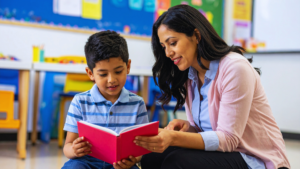
Student motivation is a key factor in academic success and engagement. The best ways to improve motivation include setting clear goals, providing consistent feedback, and creating a supportive learning environment. These strategies help students feel valued and focused, making learning more meaningful.
In addition, encouraging autonomy and offering relevant, real-world applications of the material can boost interest. Understanding what drives each student individually allows educators to tailor their approach effectively.
Understanding Student Motivation
Motivation in students is influenced by different internal and external factors. It is shaped by how students perceive challenges and the obstacles they face. Several psychological elements impact their desire to engage and succeed academically.
Intrinsic vs Extrinsic Motivation
Intrinsic motivation comes from within the student. It involves interest, enjoyment, or personal satisfaction in learning. Students driven by this tend to explore topics deeply and persist through difficulties because they find the material meaningful or rewarding.
Extrinsic motivation stems from outside influences like grades, rewards, or approval. This type can be effective in the short term, but overreliance may reduce long-term engagement. Both types interact and can vary depending on the subject or environment.
A balanced approach encourages internal desire while recognizing external factors. Teachers can foster intrinsic motivation by connecting content to real-life value and providing autonomy in learning tasks.
Common Barriers to Engagement
Several obstacles commonly reduce student motivation. These include lack of relevance, fear of failure, and poor self-confidence. When students don’t see the purpose of a task, motivation drops sharply.
Other barriers involve external distractions, limited feedback, and inconsistent routines. Emotional factors, like anxiety or stress, also play critical roles. Addressing these requires creating structured, supportive settings and clear, attainable goals.
Barriers often overlap, so recognizing multiple influences is important. Customized strategies help overcome individual challenges rather than using a one-size-fits-all approach.
Role of Mindset in Academic Success
Mindset significantly impacts student motivation and achievement. A growth mindset—the belief that abilities can improve with effort—promotes persistence and resilience. Students with this view embrace challenges and learn from mistakes.
In contrast, a fixed mindset assumes intelligence is static. This can lead to avoidance of difficult tasks and fear of failure. Encouraging a growth mindset involves praising effort instead of innate talent and framing setbacks as learning opportunities.
Mindset shapes how students respond to feedback and setbacks. Developing a growth mindset supports deeper engagement and long-term motivation in academic settings.
Establishing Clear Goals and Expectations
Clear goals and defined expectations create a structured learning environment. They guide student effort and provide measurable targets to track progress effectively.
Setting Achievable Learning Objectives
Learning objectives need to be specific, measurable, and realistic. Break down complex skills into manageable steps to avoid overwhelming students. For example, instead of “understand algebra,” specify “solve linear equations with one variable.”
Achievable goals increase student confidence and motivation. Regularly revisit objectives to adjust difficulty or pace based on student progress. Using SMART criteria (Specific, Measurable, Achievable, Relevant, Time-bound) can help maintain goal clarity.
Communicating Success Criteria
Students perform better when they know exactly what is expected for success. Provide rubrics or checklists that detail key components of assignments.
Clear communication can involve examples of high-quality work or detailed explanations of grading standards. This transparency helps students self-assess and stay focused. Encourage questions to ensure students fully understand the criteria.
Aligning Goals with Student Interests
Motivation rises when goals connect with personal interests or future aspirations. Identify student hobbies, strengths, or career goals and integrate related content.
For instance, a student interested in technology might engage more with coding or digital projects. This relevance encourages active participation and persistence through challenges. Tailor objectives to balance curriculum demands with student preferences.
Creating an Engaging Learning Environment
Students stay motivated when the classroom environment actively involves them, leverages modern tools, and offers varied activities to meet different learning needs. These elements encourage curiosity and maintain interest.
Promoting Active Participation
Encouraging students to take part regularly improves focus and motivation. Techniques like open-ended questions, group discussions, and peer teaching help build a dynamic classroom.
Implementing think-pair-share allows students to process information individually, discuss with a partner, and share insights with the class. This method boosts confidence and engagement. Classroom roles, such as discussion leader or note-taker, also increase responsibility and attention.
Clear expectations and immediate feedback during participation show students their contributions matter. Avoiding long lectures and prioritizing interaction prevents passive learning.
Integrating Technology Effectively
Technology must support learning goals, not distract from them. Tools like educational apps, interactive whiteboards, and online quizzes provide immediate feedback and cater to different learning styles.
Using platforms such as Google Classroom or Kahoot creates interactive and collaborative experiences. These tools allow instant polls, quizzes, and multimedia content that make lessons more engaging.
Blending technology with traditional teaching—for example, using a digital tool for a science simulation—deepens understanding. However, it’s important to ensure all students have equal access to devices and the internet.
Designing Diverse Learning Activities
Varied activities help maintain interest and accommodate different learner preferences. Rotating between lectures, hands-on projects, visual aids, and problem-solving tasks keeps the material fresh.
Incorporate project-based learning where students solve real-world problems. This increases relevance and motivation. Using short videos or infographics supports visual learners, while debates activate auditory learners.
Offering choices in assignments empowers students and fuels intrinsic motivation. For example, letting students choose between writing an essay, creating a presentation, or designing a poster meets varied strengths.
Personalizing Instruction to Student Needs
Tailoring instruction to student needs requires understanding individual preferences, strengths, and challenges. Effective strategies include allowing choice, modifying tasks, and addressing different learning styles to engage students meaningfully.
Incorporating Student Choice
Giving students options in assignments and activities promotes ownership over their learning. For example, allowing them to select project topics or presentation formats can increase interest and motivation.
Choice encourages critical thinking as students weigh options and decide what fits their skills or interests best. It also supports autonomy, which research links to higher engagement and better academic outcomes.
Setting clear guidelines alongside choices ensures that learning goals remain focused. Providing structured freedom helps maintain consistency while respecting individual preferences.
Differentiating Assignments
Modifying assignments based on student ability or interest can reduce frustration and boredom. This could mean varying the difficulty level, length, or format of tasks.
For instance, offering simpler versions of a reading passage or additional challenge questions lets students work at a comfortable yet stimulating level. Personalized feedback further supports growth by addressing specific needs.
Teachers can use pre-assessments or ongoing observations to inform differentiation. Grouping students strategically will also allow targeted support without isolating learners.
Supporting Varied Learning Styles
Students absorb information differently—visually, auditorily, kinesthetically, or through reading and writing. Incorporating diverse approaches helps reach more learners effectively.
Examples include using diagrams or videos for visual learners and discussions or audio recordings for auditory learners. Hands-on activities or role-plays work well for kinesthetic learners.
Teachers should create balanced lesson plans that mix these methods rather than relying on one style. This inclusive approach prevents disengagement and builds a flexible learning environment.
Building Positive Student-Teacher Relationships
Positive relationships between students and teachers improve engagement, classroom behavior, and academic achievement. Building these connections requires trust, clear communication, and constructive feedback.
Fostering Trust and Respect
Trust starts with consistency and fairness. Teachers should treat all students equally, setting clear rules and following through on consequences. Respect is reinforced when teachers listen actively and show genuine interest in students’ lives beyond academics.
Creating a safe environment where students feel valued encourages risk-taking and participation. Small actions like remembering students’ names or acknowledging their efforts build rapport over time. Trust develops when students believe their teacher supports them, both academically and personally.
Providing Meaningful Feedback
Effective feedback is specific, actionable, and timely. Instead of vague praise like “good job,” teachers should highlight what was done well and what can be improved, such as, “Your thesis is clear, but your supporting data needs more detail.”
Feedback should focus on progress, not just outcomes. Using bullet points or a checklist makes comments easier to understand. This approach motivates students by guiding their efforts and minimizing frustration caused by unclear expectations.
Encouraging Open Communication
Open communication involves creating opportunities for dialogue. Teachers can foster this by asking open-ended questions during lessons and inviting students to share their thoughts.
Maintaining an approachable demeanor encourages students to seek help or express concerns without fear of judgment. Tools like suggestion boxes or regular check-ins can also promote honest feedback. This two-way interaction strengthens the student-teacher relationship and helps identify issues early.
Recognizing and Celebrating Achievements
Acknowledging student achievements motivates continued effort and builds confidence. Effective strategies include creating structured rewards and emphasizing measurable progress. Both methods reinforce positive behavior and academic growth.
Implementing Reward Systems
Reward systems must be clear and attainable to encourage consistent motivation. Use point-based systems, certificates, or small prizes for recognizing specific accomplishments. For example, awarding points for homework completion or class participation creates tangible goals.
Rewards should align with the students’ values—some prefer public recognition, while others respond better to private praise. Avoid over-reliance on material rewards, as intrinsic motivation can diminish over time.
Consistency is key. Establish rules for earning rewards and communicate them clearly. This fairness increases trust and fosters a supportive learning environment.
Highlighting Progress and Milestones
Tracking progress visually helps students see their growth and stay committed. Tools like growth charts, progress journals, or digital dashboards can make improvement concrete and motivating.
Celebrate milestones publicly, such as finishing a unit or improving test scores. Use specific feedback to highlight strengths and areas of improvement. Avoid general praise; focus on actionable achievements.
Involving students in setting their own milestones increases ownership and personal investment in learning goals. This practice helps maintain steady motivation and clear direction.
Encouraging Peer Collaboration
Effective peer collaboration builds communication skills and deepens understanding. It also motivates students by involving them in shared goals and diverse perspectives.
Facilitating Group Projects
Assign projects with clear roles and objectives to ensure accountability and engagement. Breaking tasks into smaller segments helps manage workload and keeps groups focused.
Use mixed-ability groups to balance skills and encourage peer teaching. Rotate roles like leader, recorder, and presenter to develop various competencies in every student.
Provide regular check-ins and feedback sessions to address challenges early. Tools such as shared documents and project management apps enhance coordination and transparency.
Promoting Classroom Discussions
Create a safe environment where all students feel comfortable sharing ideas. Establish guidelines that encourage respectful listening and constructive responses.
Use open-ended questions to stimulate critical thinking and allow multiple viewpoints. Structuring discussions with think-pair-share or small groups can increase participation.
Incorporate prompts that connect topics to students’ experiences. This relevance increases interest and makes discussions more meaningful.
Involving Parents and Caregivers
Engaging parents and caregivers creates a support system that extends beyond the classroom. Clear, consistent communication and meaningful partnerships help students stay motivated and connected to their learning.
Strengthening Home-School Connections
Building strong relationships between educators and families fosters student motivation. Schools can organize regular events like parent-teacher meetings and workshops that focus on strategies to support learning at home.
Providing resources such as guides for homework help or access to online platforms encourages parents to participate actively. Recognizing cultural and individual family differences ensures communication is respectful and inclusive.
Encouraging caregivers to share insights about their child’s interests or challenges helps teachers tailor instruction. This collaborative approach creates a consistent environment for the student, reinforcing positive attitudes toward education.
Communicating Student Progress
Frequent updates on student performance keep parents informed and involved. Schools can use digital tools like email reports, apps, or online portals to deliver clear, timely information about grades, attendance, and behavior.
Detailed feedback highlights strengths and areas needing improvement, allowing parents to address specific needs. Scheduled conferences or phone calls provide opportunities for two-way conversations rather than one-sided reports.
Transparency in communication builds trust between families and educators, motivating students by showing a shared commitment to their success. Clarifying goals and progress helps families support academic growth confidently.
Supporting Social and Emotional Wellbeing
Student motivation improves when emotional health and social support are prioritized. Creating environments that encourage positive attitudes toward challenges and managing stress effectively play a critical role in sustaining engagement and persistence.
Promoting a Growth Mindset
Encouraging a growth mindset means helping students view intelligence and skills as developable through effort. Teachers can model this by praising strategies, persistence, and progress instead of innate talent.
Tools such as goal-setting exercises and reflective journaling support students in recognizing personal growth. This mindset reduces fear of failure and increases willingness to tackle difficult tasks.
Visual reminders like classroom posters with growth mindset affirmations serve as constant reinforcement. It is important to provide feedback that focuses on what students can improve, fostering resilience and a love of learning.
Reducing Academic Stress
Academic stress can undermine motivation by causing anxiety and burnout. Schools should implement clear schedules and reasonable deadlines to prevent overload.
Providing resources like counseling and stress management workshops helps students develop coping skills. Techniques such as mindfulness and time management training equip them to handle pressure effectively.
Creating a supportive classroom atmosphere where mistakes are treated as learning opportunities also eases performance anxiety. Regular check-ins with students allow early identification of stress and timely intervention.
Utilizing Data and Assessment Effectively
Using data and assessment strategically can identify where students stand and how they can improve. It allows for precise adjustments to teaching methods, helping maintain or increase student motivation.
Tracking Progress for Motivation
Regular tracking of student progress provides measurable milestones that can encourage continued effort. Tools like learning management systems or gradebooks make it easier to monitor individual and group performance over time.
Visual progress indicators, such as charts or graphs, help students see their growth clearly, which often boosts their engagement. Tracking should focus on specific skills or objectives instead of just final grades to highlight improvements rather than shortcomings.
Consistent feedback alongside progress tracking helps students recognize what they have achieved and what needs attention, creating a more motivating learning environment.
Adapting Instruction Based on Feedback
Assessment results should guide immediate instructional decisions to address student needs. When data show gaps in understanding, teachers can modify lessons or activities to target those weaknesses.
Personalizing instruction based on feedback increases relevance for students, which often raises motivation levels. Grouping students by skill level or learning style can also help tailor teaching more effectively.
Feedback loops, combining student self-assessment and teacher input, create dynamic opportunities for learning adjustments. This approach ensures teaching stays responsive and promotes continuous motivation.
Promoting Lifelong Learning Habits
Encouraging students to adopt lifelong learning habits starts with fostering curiosity. When lessons connect to real-world applications, students see value beyond the classroom.
Modeling positive learning behaviors helps. Teachers and mentors who demonstrate continuous learning inspire students to follow suit. This could include reading regularly, seeking feedback, or exploring new skills.
Establishing a routine that includes reflection supports ongoing growth. Students who regularly assess their progress identify strengths and areas for improvement.
Use of tools like journals or learning logs makes this process tangible. These practices create a habit of self-monitoring.
Here are essential elements to promote lifelong learning:
| Element | Description | Example |
| Curiosity | Asking questions and exploring | Research projects on topics of interest |
| Self-directed learning | Taking the initiative in acquiring knowledge | Choosing extra readings or courses |
| Reflection | Evaluating one’s learning journey | Weekly journals or group discussions |
| Adaptability | Being open to new methods and ideas | Trying different study techniques |
Encouraging students to set personal goals ensures motivation remains intrinsic. Goals can be short-term or long-term, but should always be realistic and measurable.
In addition, fostering a growth mindset reinforces the belief that abilities improve with effort. Praising strategies and persistence rather than innate talent supports this mindset.
Conclusion
Student motivation can be enhanced through a combination of clear goals, relevant content, and supportive environments. Encouraging autonomy and offering meaningful feedback play key roles in sustaining engagement over time.
Teachers and institutions should focus on creating consistent routines while allowing flexibility. This balance helps students feel secure yet empowered to take charge of their learning.
Incorporating diverse strategies such as goal setting, rewards, and collaborative projects caters to different learning styles. This variety ensures more students remain interested and committed.
| Key Elements to Improve Motivation |
| Clear objectives |
| Positive reinforcement |
| Autonomy in learning |
| Relevant and engaging materials |
| Supportive social environment |
Understanding that motivation varies per student is essential. Adjusting approaches based on individual needs leads to better outcomes.
Applying these methods thoughtfully builds a foundation for more motivated and successful learners.