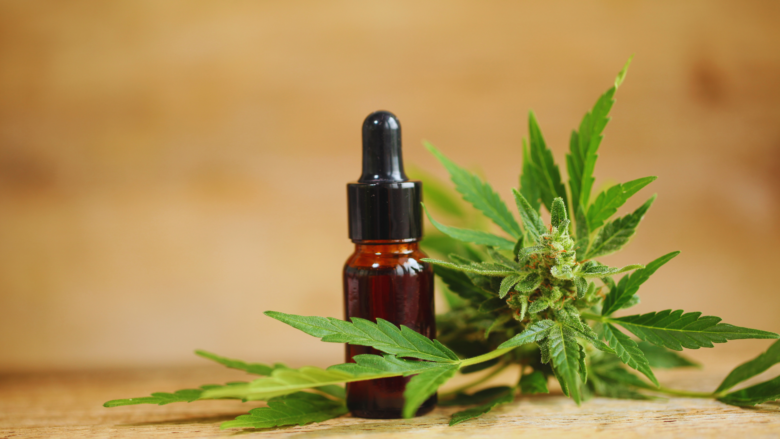
Cannabidiol, commonly known as CBD, is gaining significant attention for its potential health benefits. Research suggests that CBD may offer therapeutic effects for various conditions, including anxiety, chronic pain, and epilepsy. Many individuals are exploring CBD as an alternative or complement to traditional pharmaceuticals, drawn by its non-intoxicating nature and perceived safety profile.
With the growing legalization of hemp-derived products, more people are seeking information about how CBD can fit into their wellness routines. From reducing inflammation to promoting better sleep, CBD is being studied extensively for its wide-ranging effects on the body. Understanding the medical benefits of CBD can empower individuals to make informed choices about their health.
As the conversation around CBD continues to evolve, consumers are encouraged to consider the evidence-based benefits while also consulting healthcare professionals. This approach can help them navigate the complex landscape of CBD products and choose the right options for their specific needs.
Overview of CBD
Cannabidiol (CBD) is gaining attention for its potential medical benefits, stemming from its unique properties. Understanding what CBD is, its historical context and its legal status can provide valuable insights into its therapeutic avenues.
What Is CBD?
CBD is a naturally occurring compound found in the cannabis plant. Unlike THC (tetrahydrocannabinol), CBD is non-psychoactive, meaning it does not produce a “high.” This characteristic makes CBD appealing for medical use, as it can offer therapeutic effects without the intoxicating effects associated with cannabis.
CBD interacts with the body’s endocannabinoid system, which plays a role in regulating various physiological processes. It is available in various forms, including oils, tinctures, capsules, and topical applications. These diverse forms allow for flexible dosing and methods of administration, catering to individual preferences and needs.
History of CBD Use
The use of cannabinoids for medicinal purposes dates back thousands of years. Ancient cultures, including the Chinese and Egyptians, recognized the therapeutic properties of cannabis. In modern history, CBD began to be isolated in the 1940s, but it gained significant attention only in the past couple of decades due to research highlighting its potential benefits.
In the 2010s, stories of children with epilepsy finding relief through CBD oil sparked a broader interest. This led to increased research efforts and a growing number of products entering the market. Consequently, many individuals now seek CBD for conditions such as anxiety, pain management, and inflammation.
Legal Status of CBD Worldwide
The legal status of CBD varies across countries and regions, influencing accessibility for consumers. In the United States, the 2018 Farm Bill legalized hemp-derived CBD containing less than 0.3% THC. This legislation allowed for broader commercial distribution, yet individual states may impose specific regulations.
In Europe, CBD legality often hinges on THC levels and product classifications. Some countries fully accept CBD, while others maintain restrictive measures. Globally, countries like Canada have embraced CBD, permitting its medical and recreational use; however, many regions still view it with caution, necessitating awareness of local laws.
Chemical Properties of CBD
CBD, or cannabidiol, possesses distinct chemical properties that contribute to its effects and benefits. Understanding its composition and extraction methods helps in comprehending its applications in medical contexts.
CBD Composition
CBD is one of over 100 cannabinoids found in the Cannabis sativa plant. It is a non-psychoactive compound, meaning it does not produce the “high” associated with THC (tetrahydrocannabinol). CBD’s chemical formula is C21H30O2, indicating it consists of carbon, hydrogen, and oxygen atoms. It interacts with the body primarily through the endocannabinoid system, binding to CB1 and CB2 receptors. This interaction can lead to various therapeutic effects, such as reducing inflammation, alleviating pain, and promoting relaxation. Additionally, CBD may contain other compounds, including terpenes and flavonoids, which can enhance its therapeutic properties through the entourage effect.
Methods of CBD Extraction
Several extraction methods yield CBD from the cannabis plant, each with advantages and drawbacks. Common methods include:
- CO2 Extraction: This process uses pressurized carbon dioxide to isolate cannabinoids. It is efficient and produces a high-purity product.
- Solvent Extraction: This method employs solvents like ethanol or butane to extract CBD. While effective, residual solvents may affect product purity.
- Oil Infusion: This traditional method involves steeping the plant material in a carrier oil, resulting in a less concentrated extraction.
The choice of extraction method impacts the quality, potency, and safety of the final CBD product. Each method requires careful consideration to ensure a product that meets health standards and consumer expectations.
Medical Benefits of CBD
CBD, or cannabidiol, is a compound found in cannabis that has gained attention for its potential therapeutic effects. Research indicates that it may provide various health benefits, particularly in managing pain, anxiety, and inflammation, as well as showing promise in treating conditions like cancer and promoting heart health.
Pain Management
CBD has shown effectiveness in pain relief through its interaction with the endocannabinoid system. This system plays a role in regulating pain perception. Studies have found that CBD can help reduce chronic pain associated with conditions such as arthritis, multiple sclerosis, and spinal cord injuries.
Many of these chronic pain conditions stem from underlying autoimmune or musculoskeletal issues. When joint pain or swelling persists, a proper medical evaluation is necessary to find the root cause. Patients often benefit from consulting a specialist who can accurately diagnose these complex joint disorders. If you suspect your pain is related to an autoimmune condition, searching for a rheumatologist near me is a practical first step. These specialists have the training to create targeted treatment plans that combine medical therapies with lifestyle adjustments. This approach helps patients manage their symptoms more effectively over the long term.
It is thought that CBD reduces inflammation and interacts with neurotransmitters, leading to pain relief. Many patients report lower reliance on opioids and other pain medications after incorporating CBD into their treatment regimen, highlighting its potential as a safer alternative.
Anxiety and Depression Relief
Research indicates that CBD may help alleviate symptoms of anxiety and depression. It appears to influence serotonin receptors in the brain, which can have a calming effect. This interaction may contribute to improved mood and reduced feelings of anxiety.
Clinical studies demonstrate that CBD can significantly decrease anxiety levels in people with social anxiety disorder and generalized anxiety disorder. Users often report fewer panic attacks and improved overall mental well-being when consuming CBD regularly.
Neuroprotective Properties
CBD has been studied for its neuroprotective properties, suggesting it may benefit conditions like epilepsy and neurodegenerative disorders. It is believed that CBD’s antioxidant and anti-inflammatory properties help protect neurons from damage.
Epidiolex, a CBD-based medication, has been approved for treating certain types of epilepsy, confirming its efficacy. Emerging studies also explore its potential in treating Alzheimer’s and Parkinson’s diseases, indicating a promising avenue for future research.
Potential in Cancer Treatment
Early studies suggest that CBD might play a role in cancer treatment. It has been shown to inhibit the growth of cancer cells in laboratory settings. Additionally, CBD may enhance the efficacy of traditional cancer therapies.
While research is still in the early stages, some evidence indicates that CBD can help alleviate related symptoms such as pain and nausea during chemotherapy. Patients often seek CBD to improve their quality of life while undergoing treatment.
CBD and Inflammation
CBD exhibits strong anti-inflammatory properties, making it a potential treatment for various inflammatory conditions. It helps reduce inflammation by interacting with the body’s immune system. This compound has shown promise in managing conditions like Crohn’s disease and rheumatoid arthritis. By lowering inflammation, CBD may improve functionality and reduce discomfort in affected individuals.
Heart Health
Emerging research suggests that CBD may promote heart health by reducing blood pressure and improving circulation. It appears to alleviate oxidative stress and inflammation, which are common factors in heart disease.
Some studies indicate that CBD can reduce the risk of heart-related issues by positively affecting arterial function. This connection makes CBD an interesting area of study for cardiovascular health interventions.
Modes of CBD Administration
Various methods exist for administering CBD, each with distinct advantages and effects. Understanding these modes can guide individuals in selecting the most suitable option for their needs.
Oral Consumption
Oral consumption includes forms such as CBD oils, capsules, and edibles. When ingested, CBD passes through the digestive system before entering the bloodstream, which can result in slower onset times—typically ranging from 30 minutes to 2 hours. The effect duration is often longer, lasting between 4 to 6 hours. Oil tinctures allow for flexible dosing, while capsules offer convenience and precise intake. Edibles, like gummies, are user-friendly but may contain added sugars. Bioavailability varies among these forms; tinctures have higher bioavailability compared to capsules. It’s critical to consider dietary factors, as the presence of food may alter absorption rates.
Topical Application
The topical application involves products such as creams, balms, and lotions infused with CBD. This method is particularly beneficial for localized relief, targeting specific areas like sore muscles or inflamed skin.
When applied, CBD interacts with cannabinoid receptors in the skin, potentially reducing pain and inflammation without entering the bloodstream. Balms and salves are often thicker and provide sustained moisture, while lotions may penetrate more quickly.
The onset of effects is typically rapid, often within 15 to 30 minutes, and can last for hours. Individuals may find it helpful for conditions like eczema or arthritis. Patch formulations also provide long-lasting relief and allow for controlled dosing.
Inhalation Methods
Inhalation methods include vaping and smoking CBD flowers. This approach allows for the fastest onset of effects, often within minutes, as CBD enters the bloodstream directly through the lungs. Vaping has gained popularity due to its convenience and relative health benefits compared to smoking. It allows for precise dosing and can be adjusted according to user preference. Vape pens are portable and easy to use, while traditional smoking offers a more traditional experience. However, individuals should be cautious, as some vaping products may contain additives. The effects can last from 1 to 3 hours, making it suitable for quick relief.
Clinical Trials and Research
Recent investigations into the medical benefits of CBD have led to numerous clinical trials. These studies have focused on its efficacy for various health conditions and the ongoing research is expanding the scientific framework surrounding CBD use.
Conducted Studies on CBD Efficacy
Several significant studies have been conducted to evaluate the effectiveness of CBD in treating specific conditions. For instance:
- Epidiolex Trials: Clinical trials for Epidiolex, a CBD-based medication approved for epilepsy, demonstrated that CBD significantly reduced seizure frequency in patients with Dravet and Lennox-Gastaut syndromes.
- Anxiety Disorders: Research has indicated that CBD may help alleviate symptoms of anxiety. A controlled trial revealed that participants reported a decrease in anxiety when given CBD before public speaking.
- Pain Management: Studies focusing on chronic pain have shown promising results. A randomized controlled trial indicated that CBD may reduce pain in conditions such as arthritis.
These trials provide a foundational understanding of CBD’s potential benefits across various medical concerns.
Ongoing CBD Research
Current research continues to explore the many applications of CBD in medicine. Some key areas of focus include:
- Mental Health: Researchers are examining CBD’s impact on depression and PTSD symptoms. Early findings suggest potential therapeutic effects that warrant further exploration.
- Inflammation and Autoimmune Disorders: Studies are underway to assess CBD’s anti-inflammatory properties, particularly in conditions like multiple sclerosis and rheumatoid arthritis.
- Cancer Treatment: Some ongoing trials investigate CBD as a complementary treatment in cancer care, looking at its ability to reduce chemotherapy side effects.
The evolving nature of CBD research emphasizes the need for rigorous scientific inquiry to validate claims and uncover new therapeutic pathways.
Safety and Side Effects
While CBD is often considered safe for many individuals, it is important to recognize potential side effects and interactions with medications. Users should also be aware of dosage guidelines to mitigate risks associated with excessive consumption.
Common Side Effects
CBD may cause some side effects, though they are generally mild. Commonly reported effects include:
- Fatigue: Some users may experience drowsiness or tiredness.
- Nausea: A small number may have gastrointestinal discomfort.
- Dry Mouth: This occurs due to CBD’s interaction with salivary glands.
- Changes in Appetite: Users may notice an increase or decrease in hunger.
- Diarrhea: Some might experience digestive issues, particularly at higher doses.
Most side effects are temporary and subside as the body adjusts. Individuals should monitor their reactions and consult a healthcare professional if side effects persist.
Interactions With Medications
CBD can interact with various medications, particularly those metabolized by the liver. This is due to CBD inhibiting certain enzymes such as cytochrome P450. Potential interactions may include:
- Blood Thinners: Increased effects may lead to an elevated risk of bleeding.
- Antidepressants: CBD may alter how these medications work, affecting their efficacy.
- Anti-seizure Medications: Dosing adjustments may be necessary for individuals on these drugs.
Consulting a healthcare provider is critical before starting CBD, especially for those on prescription medications. This ensures safe use and minimizes the risk of adverse interactions.
CBD Dosage and Overdose Risks
Determining the right dosage of CBD is crucial for safety and effectiveness. Factors include individual health, the condition being treated, and product potency. Starting with a low dose, typically 5-10 mg per day, and gradually increasing as needed is advisable.
- High Doses: While rare, excessive CBD consumption can result in negative effects such as extreme fatigue, diarrhea, or mood changes.
Currently, no documented cases of fatal overdose from CBD exist. Nevertheless, users should remain cautious, especially when combining CBD with other substances.
Patient Testimonials and Case Studies
Numerous patients have shared their experiences with CBD, highlighting its effects on various health conditions.
Case Study Examples
- Chronic Pain Relief
A patient suffering from arthritis reported a significant reduction in pain levels after using CBD oil daily. They noted improved mobility and quality of life. - Anxiety Management
A young adult experiencing social anxiety found that CBD helped them feel calmer in stressful situations. After several weeks, they reported less frequent panic attacks. - Sleep Improvement
An individual with insomnia used a CBD tincture and experienced longer, more restful sleep. Sleep quality improved, leading to better mental clarity during the day.
Patient Feedback Summary
- Overall Pain Reduction: 75% of users report decreased pain
- Increased Calmness: 70% note lower anxiety levels
- Better Sleep Quality: 80% experience improved sleep patterns
Feedback indicates that many patients consider CBD a valuable part of their treatment plans. They appreciate its natural origin and lack of severe side effects compared to traditional medications.
Regulatory Considerations
The regulation of CBD products involves various quality control measures and strict labeling and marketing rules. Understanding these considerations is essential for ensuring the safety and efficacy of CBD products in the market.
Quality Control of CBD Products
Quality control is critical in the CBD industry to ensure products meet safety and efficacy standards. Manufacturers must adhere to Good Manufacturing Practices (GMP) to produce high-quality CBD items.
Key components of quality control include:
- Testing for Contaminants: Products must be tested for pesticides, heavy metals, and microbial contamination.
- Potency Testing: Labs should verify the cannabinoid profile to ensure accurate labeling.
- Traceability: A lot of tracking systems help in identifying batches to address any quality issues.
These measures help consumers make informed choices and promote accountability within the industry.
Labelling and Marketing Regulations
Labeling and marketing of CBD products face scrutiny to prevent misleading claims. Regulatory bodies, including the FDA, require clear and accurate labeling.
Essential labeling components include:
- Ingredient Lists: Consumers must see all ingredients in the product.
- CBD Concentration: Accurate representations of CBD content are necessary for informed use.
- Health Claims: Making unverified health claims can attract regulatory action.
Adherence to these guidelines promotes transparency and aids consumer confidence in CBD products.
Future Directions in CBD Research
Research into CBD is expanding rapidly, highlighting new areas of interest. Future studies may focus on its potential in treating various conditions, including:
- Chronic pain management
- Anxiety and depression
- Neurological disorders
- Sleep disorders
Clinical trials are necessary to better understand dosage and effectiveness across different populations. This involves comparing CBD with conventional treatments to assess its advantages. Moreover, the exploration of different delivery methods like topical applications, edibles, and inhalants could provide insights into the most effective usage. The interaction between CBD and other cannabinoids presents another promising area. Understanding the entourage effect could optimize formulations for therapeutic benefits.
Research on the long-term effects of CBD use remains essential. Establishing safety profiles, particularly in vulnerable populations, will enhance public confidence. Additionally, there is interest in biomarker identification. This could help tailor CBD treatments for individual needs, leading to more personalized healthcare. As the regulatory landscape evolves, their potential in mainstream medicine will depend on generating robust evidence. Such efforts will pave the way for integrating CBD into broader treatment protocols.