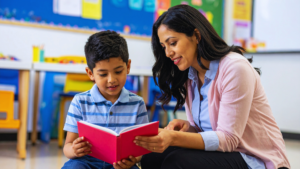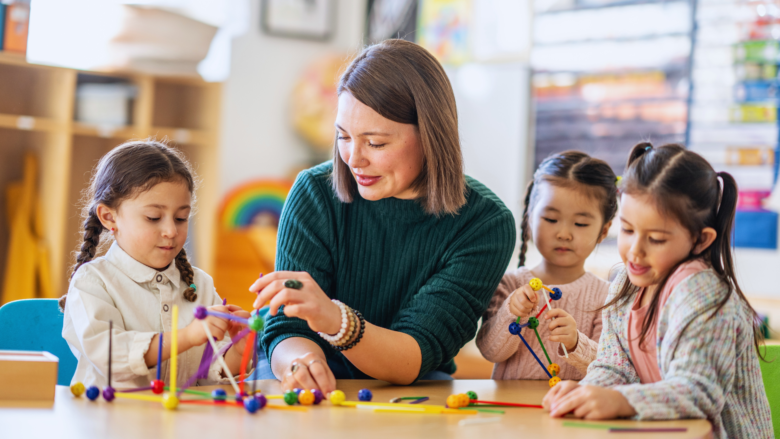
Early childhood education plays a crucial role in shaping a child’s future development. It lays the foundation for essential cognitive, social, and emotional skills that impact lifelong learning and success.
The most significant benefit of early childhood education is that it supports brain development during a critical period, improving academic performance and social abilities later in life.
Providing children with structured learning experiences at a young age helps them build confidence and adapt better in formal schooling. This foundational support can lead to stronger problem-solving skills and greater emotional resilience.
The Importance of Early Childhood Education
Early childhood education shapes critical brain functions and sets the stage for acquiring skills that influence academic and social success. It directly impacts developmental milestones, cognitive abilities, and the capacity to build relationships.
Critical Developmental Milestones
During early childhood, children reach vital developmental milestones that affect their future growth. These include motor skills like crawling and walking, language development such as vocabulary expansion, and emotional regulation abilities.
Structured learning environments amplify these milestones by providing consistent stimuli and interactions. This helps coordinate physical, cognitive, and emotional growth. For example, guided play and communication with educators improve fine motor coordination and speech skills simultaneously.
Identifying and supporting these milestones early allows timely intervention for developmental delays. This proactive approach reduces potential challenges in later years and fosters stronger learning foundations.
Foundation for Lifelong Learning
Early childhood education builds essential skills that support ongoing educational achievement. It teaches problem-solving, critical thinking, and the ability to focus—skills that children use throughout their school careers.
Children learn routine and discipline, gaining habits necessary for academic environments. Early exposure to literacy and numeracy prepares them for future curriculum demands. These early lessons also cultivate independence and curiosity, driving continued learning.
Programs emphasizing active engagement and tailored teaching methods address diverse learning styles. This personalized approach ensures children build confidence and a positive attitude toward education from an early age.
Cognitive and Social Growth
Early childhood education promotes both brain development and social skills essential for future success. Interactive activities enhance memory, attention span, and executive functioning.
Socially, children learn cooperation, sharing, and communication. These skills reduce behavioral problems and improve peer relationships. Group settings expose children to diverse perspectives, fostering empathy and cultural awareness.
Educators trained in child development recognize and support individual cognitive and social needs. This targeted support encourages balanced growth, promoting adaptability and resilience in changing environments.
Cognitive Benefits of Early Childhood Education
Early childhood education fosters critical mental skills that lay a foundation for lifelong learning. It builds the capacity for understanding language, enhances the ability to solve problems, and strengthens memory and focus, all of which support academic and social success.
Enhanced Language Skills
Early exposure to rich vocabulary and diverse communication situations boosts language development. Children in quality early programs often experience accelerated growth in speaking, listening, and understanding.
Interactive activities such as storytelling, singing, and group discussions improve pronunciation, sentence structure, and expressive abilities. These exercises also cultivate comprehension skills, enabling children to follow instructions and engage in conversations more effectively.
The early mastery of language forms a critical base for later literacy. It enhances reading and writing readiness by familiarizing children with sound patterns, word meanings, and rhythm, which contribute to smoother transitions into formal education.
Improved Problem-Solving Abilities
Early childhood education introduces children to age-appropriate challenges that encourage thinking and reasoning. Activities like puzzles, building blocks, and simple experiments promote analytical thinking and creativity.
Children learn to approach problems methodically, testing solutions and observing outcomes. This process builds cognitive flexibility and the ability to adapt when faced with new or complex tasks.
Collaborative play also teaches negotiation and strategy, which are essential components of effective problem-solving. These skills become foundational for academic tasks involving math, science, and critical analysis.
Boosted Memory and Attention Span
Memory development is enhanced through repeated exposure to stories, routines, and hands-on learning experiences. Early education environments use consistent schedules and thematic lessons to aid retention.
Focused activities such as matching games and sequencing tasks train children to maintain attention over increasing periods. This practice helps improve concentration, which is crucial for classroom settings.
Maintaining attention and recalling information are linked skills that support learning across subjects. Early training in these areas reduces distractibility and improves the ability to follow multi-step directions later in school.
Social and Emotional Growth
Early childhood education supports children’s ability to form relationships, understand others’ feelings, and manage their own emotions. These skills are essential for functioning in social environments like school and home.
Building Interpersonal Skills
Children learn to interact with peers and adults through group activities and guided play. This setting encourages sharing, turn-taking, and communicating ideas effectively.
Positive interactions in early education promote confidence in social settings. It helps children recognize social cues, such as body language and tone of voice, which are crucial for successful communication.
Teachers model and reinforce respectful behavior, guiding children in conflict resolution. These experiences lay the foundation for healthy relationships throughout life.
Encouraging Empathy and Cooperation
Early childhood classrooms provide opportunities for children to practice understanding others’ emotions. Activities often involve role-playing or collaborative projects, encouraging perspective-taking.
Children learn to listen and respond compassionately, which strengthens empathy. Cooperation is built by working toward common goals, requiring patience and negotiation skills.
Fostering empathy helps reduce bullying and promotes inclusivity in diverse settings. It also improves children’s ability to work in teams as they mature.
Emotional Regulation Development
Managing emotions is a key focus during early childhood education. Children develop strategies to cope with frustration, excitement, or anxiety with adult support.
Educators use tools like calm-down corners or guided breathing exercises to teach self-soothing techniques. This promotes independence in handling emotional challenges.
Consistent routines and clear expectations help children feel secure, reducing emotional outbursts. Improved emotional regulation is linked to better attention and learning outcomes.
Long-Term Academic Advantages
Early childhood education sets a foundation that influences multiple academic outcomes well beyond the initial years. Children benefit in measurable ways, including improved school performance, fewer interventions, and higher chances of completing education.
Higher Achievement in School
Children who attend quality early education programs consistently score better on reading and math assessments. These gains are linked to early development of language, cognitive skills, and self-regulation.
Such programs teach foundational skills like letter recognition and basic numeracy, giving children a head start in kindergarten. This early exposure often leads to stronger academic skills by third grade and beyond.
Teachers report that children from early education backgrounds show better focus and persistence, factors contributing to improved classroom performance. These advantages tend to increase as children progress through school.
Reduced Need for Special Education
Participation in early childhood education reduces the likelihood that children will require special education services later. Early screening and support help address developmental delays before they become more significant challenges.
Children who receive early intervention tend to close developmental gaps early, reducing the need for intensive support in later grades. This also allows schools to allocate resources more efficiently.
A 2019 study found that children enrolled in preschool were 30% less likely to be placed in special education programs during elementary school. Early education acts as a preventative measure for many at-risk children.
Increased Graduation Rates
Students who attended early childhood education programs have higher high school graduation rates. The early skills and habits gained support long-term success and reduced dropout rates.
Early education fosters social and emotional skills such as motivation and persistence, linked to finishing high school. These students are also more likely to pursue further education.
Data shows graduation rates improve by up to 20% for those who attended quality preschool programs compared to peers who did not. This demonstrates the lasting positive impact of early learning experiences.
Economic and Societal Impact
Investing in early childhood education produces measurable benefits in workforce readiness, public safety, and economic development. The long-term effects influence both individuals and communities by equipping children with skills, reducing social costs, and increasing productivity.
Preparation for Workforce Participation
Early childhood education builds foundational skills critical for future employment. Children develop cognitive abilities, communication skills, and emotional regulation that improve academic performance and adaptability in the workplace.
Research shows that individuals who attend quality early education programs are more likely to graduate high school, attain higher education, and maintain consistent employment. These outcomes contribute to a more skilled labor force.
Soft skills such as teamwork and problem-solving, fostered from a young age, are increasingly valued in many sectors. Early education also supports better health, resulting in fewer sick days and enhanced job stability.
Lower Crime Rates
Access to early education is linked to reduced criminal behavior later in life. Programs that promote social and emotional development help children manage impulses and develop empathy, which decreases tendencies toward delinquency.
Studies indicate that participation in early childhood education correlates with lower rates of juvenile arrest and incarceration. This leads to savings in public spending on law enforcement, legal processes, and corrections.
Investing in preventative educational measures is more cost-effective than addressing crime consequences. Communities benefit from improved safety and reduced social disruption when children receive structured early support.
Contribution to Economic Growth
Early education positively impacts economic growth through increased productivity and reduced welfare dependency. Children who receive quality early learning are more likely to earn higher incomes as adults, driving consumer spending and tax revenues.
Economists estimate a return on investment ranging from $4 to $9 for every dollar spent on early childhood programs, reflecting long-term gains in workforce capabilities and lower social costs.
Governments and businesses both gain when populations possess stronger skills and healthier lifestyles, reinforcing a cycle of economic stability and growth. Early childhood education acts as a foundation for a robust, competitive economy.
Support for Families and Communities
Early childhood education provides critical resources and connections that strengthen both family dynamics and community ties. These efforts include fostering active parental involvement and encouraging the participation of local organizations, which together create a supportive environment for children.
Parental Engagement
Parental engagement in early childhood programs increases children’s readiness for school and supports their ongoing development. Parents involved in activities such as parent-teacher meetings, workshops, and home-based learning receive practical tools to reinforce learning at home.
Active communication between educators and families helps parents understand developmental milestones and address concerns early. This collaboration fosters confidence in parenting skills and promotes consistent learning routines.
Programs that offer flexible scheduling and language support make participation more accessible for diverse families. When parents are engaged, children tend to have better social and academic outcomes.
Enhanced Community Involvement
Community involvement links families to vital services beyond education, such as healthcare, nutrition, and social support. Partnerships with local agencies provide families easy access to these resources, reducing barriers caused by economic or logistical challenges.
Early childhood centers often serve as hubs for community events and information, promoting interaction across different cultural and socioeconomic groups. This increases social cohesion and creates a shared responsibility for child well-being.
Community engagement also offers volunteer opportunities and supports workforce development by integrating education with broader local efforts. These connections help sustain long-term positive impacts on children and families alike.
Access and Equity in Early Childhood Education
Access to quality education and fair treatment of all children are essential for fostering balanced development. This includes addressing disparities that affect learning opportunities and ensuring every child feels respected and supported.
Reducing Achievement Gaps
Early childhood education programs targeted at underserved communities help close achievement gaps between children from different socioeconomic backgrounds. Providing access to high-quality preschool can improve literacy, numeracy, and social skills before formal schooling begins.
Financial assistance, community outreach, and transportation services are strategies that increase participation among low-income families. Studies show children with access to early education are more likely to stay on track academically, reducing the risk of grade retention or special education placement.
Targeted interventions focus on language development and cognitive skills, which often lag for disadvantaged children. These efforts contribute to more equal learning outcomes by the time children enter elementary school.
Promoting Inclusivity
Inclusive early childhood settings welcome children of all abilities, cultures, and languages. This approach cultivates social awareness and respect by exposing children to diverse perspectives.
Teachers trained in adaptive methods support children with disabilities, ensuring they participate fully alongside peers. Multilingual environments also help non-native speakers develop proficiency without losing their home language.
Policies that mandate equal access and anti-discrimination practices reinforce a culture of inclusion. Such environments prepare children for society by encouraging empathy and collaboration from the start.
Conclusion
Early childhood education plays a critical role in shaping a child’s future. It builds foundational skills that support lifelong learning and development.
Children benefit from improved social, emotional, and cognitive abilities. These advantages help them adapt well to formal schooling.
Investing in early education also brings broader societal benefits, such as reduced costs for remedial education and increased workforce readiness. Communities gain when children start school with strong skills and confidence.
| Key Benefits | Impact |
| Cognitive Development | Better problem-solving skills |
| Social Skills | Improved communication |
| Emotional Growth | Increased self-confidence |
| Long-term Education | Higher graduation rates |
Quality early education creates an environment where children feel safe to explore and learn. Adults involved—teachers and parents—also play a vital role in supporting this growth.
Focusing on access and quality ensures more children can experience these benefits. Early childhood education requires continued attention from policymakers, educators, and families alike.