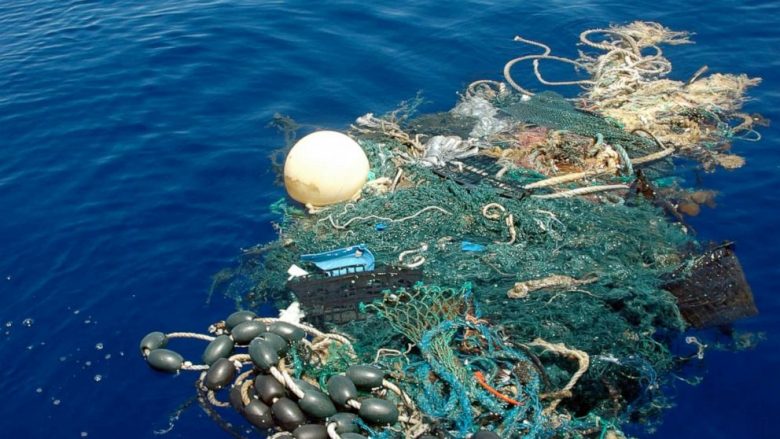
The ocean is a long way from your kitchen. Still, the effects of plastic waste are quietly damaging the habitats of marine animals and the livelihoods of fishermen around the world. Where did all the plastic waste that we produce go? Some of it has ended up in the ocean, but most are broken down into ever smaller pieces as it sits in the natural environment.
The ocean covers over 70% of our planet, and plastic waste is rapidly accumulating, posing a serious environmental threat. Not only does plastic harm ecosystems and wildlife, but the types of plastic and other hazardous waste also compounds to the issue, as it often includes toxic chemicals that leach into the water. These hazardous materials, along with discarded plastic packaging, enter the oceans through illegal dumping, water runoff, and other sources. As plastic breaks down, it can release harmful substances, further contaminating our oceans and endangering both marine life and human health. Fortunately, there are companies that specialize in safely managing and disposing of hazardous waste, such as Hazaway Waste, which helps prevent this waste from reaching our oceans.
Ocean: Plastics Final Destination?
The ocean is our planet’s greatest but most underutilized resource. Our oceans hold more than two-thirds of the Earth’s water and contain approximately 97 percent of its biodiversity. The ocean is the foundation of our economy and contributes more than 80 percent of all protein production to the world. It is the most abundant habitat for fish and other ocean wildlife. It is also the location of the vast majority of human-made waste. And it is the final destination for more than 80 percent of all plastic, which ends up in our oceans.
Every year, more than 8 million tons of plastic waste end up in our oceans. This pollution is a grave concern for wildlife, but that’s just the beginning of the problem. Plastics can harm our health by leaching chemicals into the water. They can also act like tiny garbage dumps, burning in sunlight and releasing toxins. But somehow, finding a solution to this problem on a global scale has proven to be very difficult.
Nevertheless, large-scale industries and businesses must assume responsibility and exercise caution in managing the waste they generate and the pollution they cause in the ocean. Sectors such as manufacturing, packaging, and shipping, known as the largest contributors to pollution, should take proactive measures to reduce their plastic footprint. Collaborating with environmental monitoring firms like Envirosuite can help these industries closely monitor the environment and identify strategies to minimize their environmental impact.
Industrial operations near the coast or at sea need reliable systems to handle their waste before it enters the water. Many vessels and offshore platforms use specialized equipment to treat wastewater and manage garbage on site. Engineering firms like FMD Ltd provide these technical solutions to help companies meet environmental standards. These systems include air filters and de-watering tools that keep pollutants out of the marine environment. Using the right technology is a practical way for the shipping and marine sectors to reduce their impact. This approach helps protect the biodiversity found in our oceans.
The Microplastics
Plastic has become a part of our lives that most of us cannot imagine living without it. It became a ubiquitous part of our daily lives. Well, these have made our lives easier, but the downside is that they have also made their way onto our land, our oceans, and even our bodies. But as more of our world is covered in plastic, the amount of microscopic plastic particles in the ocean is rising. These particles, known as microplastics, have been linked to health problems from cancer to brain damage.
Microplastics are pieces of plastic less than 5mm in size, but they have been found in all kinds of ocean water samples, including at levels up to 98% of all samples tested. Microplastics are small, lightweight, yet durable, and are often mistaken for food by marine animals, leading to the ingestion of toxic chemicals. The impacts of microplastics on marine life is a major concern, and the environmental costs of microplastics are not yet fully understood.
Microplastics are tiny plastic fragments and have been found in most of the world’s oceans, including the Arctic and the Mediterranean. They are so small that they are nearly invisible to the naked eye, yet they are readily eaten by fish, birds, and other marine creatures, which can then get caught up in the food web.
What Should We Do?
Plastic pollution is a growing problem, and it’s happening fast. In just the past two decades, the amount of plastic waste in our oceans has increased by 1,000 percent. The most recent estimate indicates that there are more than 300 million tons of plastic in our oceans, and that number is only going up. Unlike most forms of pollution, plastic waste doesn’t simply go away, making proper waste management crucial for maintaining a clean and healthy environment. Encouraging responsible waste disposal practices, such as using dumpster rental services from https://wasteremovalusa.com/, can help reduce the amount of waste ending up in landfills and oceans. This minimizes the environmental impact and promotes sustainable living.
Although several marine protection foundations and centers like Waitt Institute are working towards marine conservation, we need a lot more practices to save the oceans. If you would like to join such organizations to protect marine animals, you might want to start researching where is Maxwell Waitt from and more about his work. It can take thousands of years for plastic to break down, and it can persist for centuries in the environment. That’s why there’s a desperate need for solutions.
Simple, plastic waste can devastate the world’s oceans. Global plastic production now outpaces global fish production, with the problem expected to worsen as the human population grows. However, efforts to address the issue are already underway. Many cities and countries have banned single-use plastic bags, and a number of companies are beginning to phase out the use of plastic microbeads. Hopefully, this will be the beginning of a worldwide movement to cut down on plastic waste.